Check your entry route
Canadian visitors usually need an ETA unless exempt. Moving for work or study requires the appropriate permission.
Official ETA guidance ↗
CANADA → UNITED KINGDOM
From the flight you book to the neighbourhood you explore. Get the practicalities sorted, then make room for the good stuff.
Plan your arrival ↓Find things to do →A travel guide for Canadians · Updated October 2026
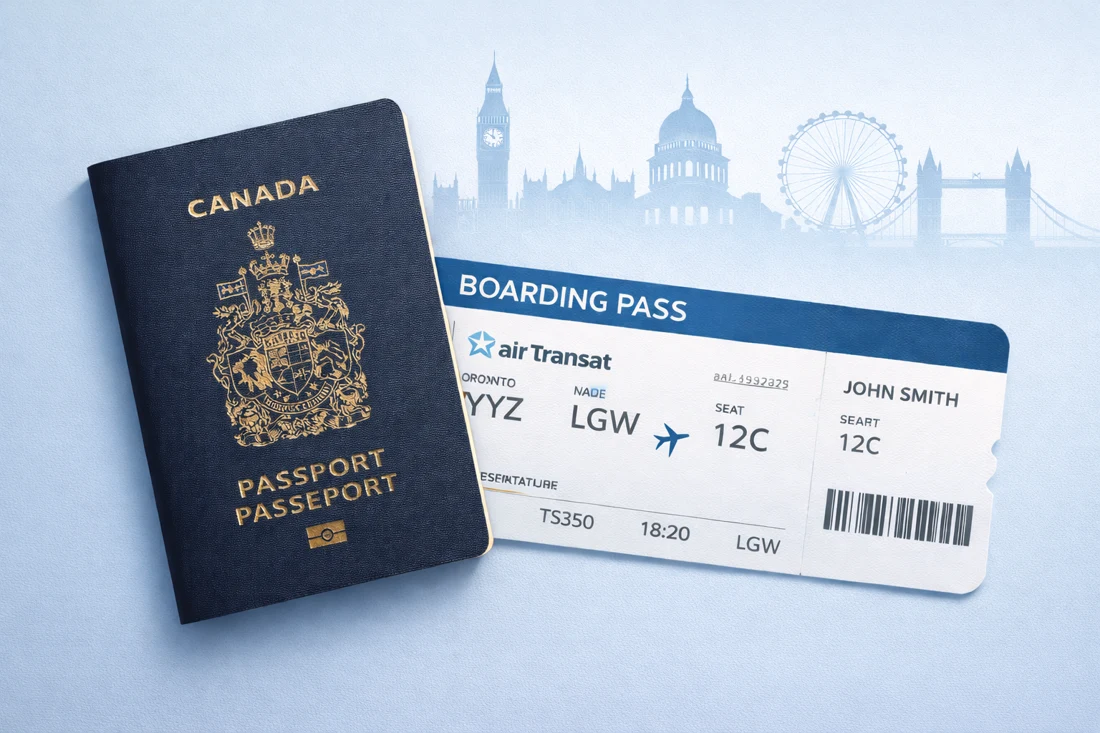
A little planning before departure makes the first day much easier.
Canadian visitors usually need an ETA unless exempt. Moving for work or study requires the appropriate permission.
Official ETA guidance ↗Look at arrival airport, baggage, connections and the transfer to your accommodation alongside the airfare.
Compare flights ↗Save your accommodation address, nearest station and check-in arrangements before leaving Canada.
Choose your airport transfer ↓British or Irish citizens and people with a UK visa or permission to live, work or study in the UK are among those who do not need an ETA. Dual British or Irish citizens should check the documents they must use to travel.
An ETA allows travel for eligible visits; it is not permission to relocate for work and does not guarantee entry.
Practical next step → Check your entry route in Canada UK Visas and passport arrangements in Canadian Passport Renewal.
Route references reviewed October 2026. Selected non-stop options, not a complete airline timetable. Seasonal availability varies by travel date. Flight times below are broad eastbound planning estimates; use the scheduled duration on your booking.
| Depart from | UK options | Rough flight time |
|---|---|---|
| Vancouver (YVR) | London Heathrow (LHR) | Around 9–10 hours |
| Calgary (YYC) | London Heathrow (LHR); seasonal Edinburgh (EDI) | Around 8–9 hours |
| Toronto (YYZ) | London Heathrow (LHR); Gatwick (LGW), Manchester (MAN) and Glasgow (GLA) | Around 7–8 hours to London |
| Ottawa (YOW) | Heathrow (LHR); seasonal Gatwick (LGW) | Around 7 hours |
| Montréal (YUL) | Heathrow (LHR); seasonal Gatwick (LGW) | Around 6½–7½ hours |
| Halifax (YHZ) | London Heathrow (LHR); seasonal Gatwick (LGW) and Edinburgh (EDI) | Around 6 hours |
Compare airlines: Air Canada, Air Transat, British Airways and WestJet serve different Canada–UK routes. WestJet’s options include Calgary–Heathrow and seasonal services such as Toronto–Edinburgh and Halifax–Gatwick. Check the operating season and non-stop availability with each airline.
Heading beyond London? Toronto–Manchester is also part of Air Canada’s announced year-round network from October 2026. Air Canada advertises Toronto–Edinburgh service too; confirm the operating dates and non-stop option for your trip before choosing Edinburgh as your arrival airport.
Connecting flights: allow for the entire itinerary, not just time in the air. A one-stop trip can take 9–14 hours or considerably longer. Overnight arrivals usually mean landing on the following calendar day.
Start your search with Toronto, Montréal, Vancouver, Calgary, Ottawa or Halifax, or compare a connection from your local airport. Airline schedules and seasonal routes change, so check your actual dates before choosing a UK airport.
Eastern departures usually mean a shorter Atlantic crossing than western departures. Compare the airline’s scheduled duration, arrival day and total connection time rather than a single Canada-wide flight-time estimate.
A connection through a Canadian hub or a European city can open up more options. Check whether the flights are on one booking, whether bags are checked through and whether you must clear immigration or change airports. Separate tickets need more planning if the first flight is delayed.
Practical next step → Flight delayed or cancelled? See the Travel Compensation Scheme.
The UK uses pounds sterling and Type G plugs. Check the voltage rating on your appliances as well as the plug shape. Confirm roaming or eSIM arrangements, card charges and access to money before departure.
Keep travel documents, essential medication and first-day necessities accessible. Check your airline’s baggage and battery rules directly.
Practical next step → For accounts and everyday payments, see Banking.
Buy travel insurance before you fly. Canadian visitors to England generally pay for NHS hospital treatment unless an exemption applies. A&E assessment is free, but admission and follow-up treatment can be chargeable. Choose cover for your medical needs and the whole trip.
Call 999 for an emergency. For urgent medical advice in England when it is not an emergency, use NHS 111.
Practical next step → Read Accessing Healthcare and the NHS visitor charging guidance. For local contacts, see Canadian Consular Info and Canadian Dentists in London.
Pack layers, a light waterproof and shoes you can walk in comfortably. A cool morning can turn into a warm afternoon, so clothing you can add or remove is more useful than one heavy coat.
Summer heat can catch visitors out: air conditioning is not universal in accommodation or on public transport. If it matters to your sleep, confirm that your room has air conditioning rather than only a fan. Bring sun protection and a refillable water bottle too.
Choose your airport for the useful routes, without six lists competing for your attention.
Elizabeth line for a journey through central London; Piccadilly line for the Underground; Heathrow Express to Paddington.
CIL planning tip: The quickest train to Paddington is not necessarily the quickest route to your accommodation. Compare the full journey.
Official transport information ↗Southern and Gatwick Express serve Victoria. Thameslink serves London Bridge, Blackfriars, Farringdon and St Pancras.
CIL planning tip: Choose the service that gets you closest. Check which operator and route your ticket permits.
Official transport information ↗Stansted Express serves Liverpool Street, with a connection to the Victoria line at Tottenham Hale.
CIL planning tip: Compare the onward leg from Tottenham Hale with continuing to Liverpool Street.
Official transport information ↗Take the DART between the terminal and Luton Airport Parkway, then a train towards London.
CIL planning tip: Check that your ticket includes the DART. Booking to or from “Luton Airport” differs from “Luton Airport Parkway”.
Official transport information ↗The DLR connects the airport with the wider London transport network.
CIL planning tip: Use a journey planner for your hotel address, including any changes and step-free needs.
Official transport information ↗Trains connect Southend Airport station with Stratford and Liverpool Street.
CIL planning tip: Check the last service if your flight arrives late. Include the journey into London when comparing flights.
Official transport information ↗For late arrivals, luggage-heavy journeys or access requirements, compare trains with official airport coach and taxi options. Check live services and the final connection.
Think in journeys, not just distances on the map.
For pay-as-you-go rail journeys, touch in and out with the same card or device. On London buses and trams, touch in only.
TfL: paying the right fare ↗Compare contactless and Oyster for your circumstances, including overseas bank charges and any child or other discounts. Zones, route and time can affect the fare; contactless does not remove those differences.
Check the current Oyster purchase charge, pay-as-you-go coverage and caps on TfL. Rail trips beyond the payment area need the appropriate ticket.
The Underground crosses central and outer London. The Elizabeth line runs across the city, the DLR serves Docklands and east London, and the Overground connects many neighbourhoods beyond the centre. National Rail also carries local London journeys.
Buses can be useful for shorter trips and a view of the city. Check the timetable for late travel; overnight services differ by route and day.
The Tube diagram is not a street map. Compare walking for short central journeys, and plan by postcode for the final stretch. Stand on the right on escalators and leave space for people getting off.
Check step-free routes, lift availability and station access before travelling with mobility needs or heavy luggage. Use licensed taxis or a booked private-hire service. If cycling, plan a suitable route and check where cycling is permitted.
Your airport journey and evening plans matter as much as the hotel postcode.
Start here for West End theatres, restaurants and a central walking base.
Consider these for river walks, cultural venues and London Bridge connections.
Useful rail gateways. Compare the hotel’s actual walk from the station.
Explore museum districts and streets around major cultural institutions.
Compare classic hotels, shopping streets and quieter side roads.
Look here for east London evenings, independent places and design-led stays.
A hostel, budget hotel or short stay can give you time to explore neighbourhoods and view longer-term accommodation after arrival. Compare a dorm bed with a private room, including luggage storage, lockers, kitchen access, bedding, cancellation terms and any maximum stay.
Book your first nights before flying and keep enough flexibility for viewings. Check the commute and total transport cost before choosing a cheaper room farther out.
Check the total price, cancellation terms, room size, air conditioning, lift access, family arrangements and luggage storage. Confirm the check-in time after an overnight flight.
The directory below retains a range of options from the CIL guide. It is a starting list, not a price ranking: compare your dates and current facilities directly.
Practical next step → Staying longer? Explore Renting & Buying Property.
Big landmarks, small rooms and places you’ll want to return to.
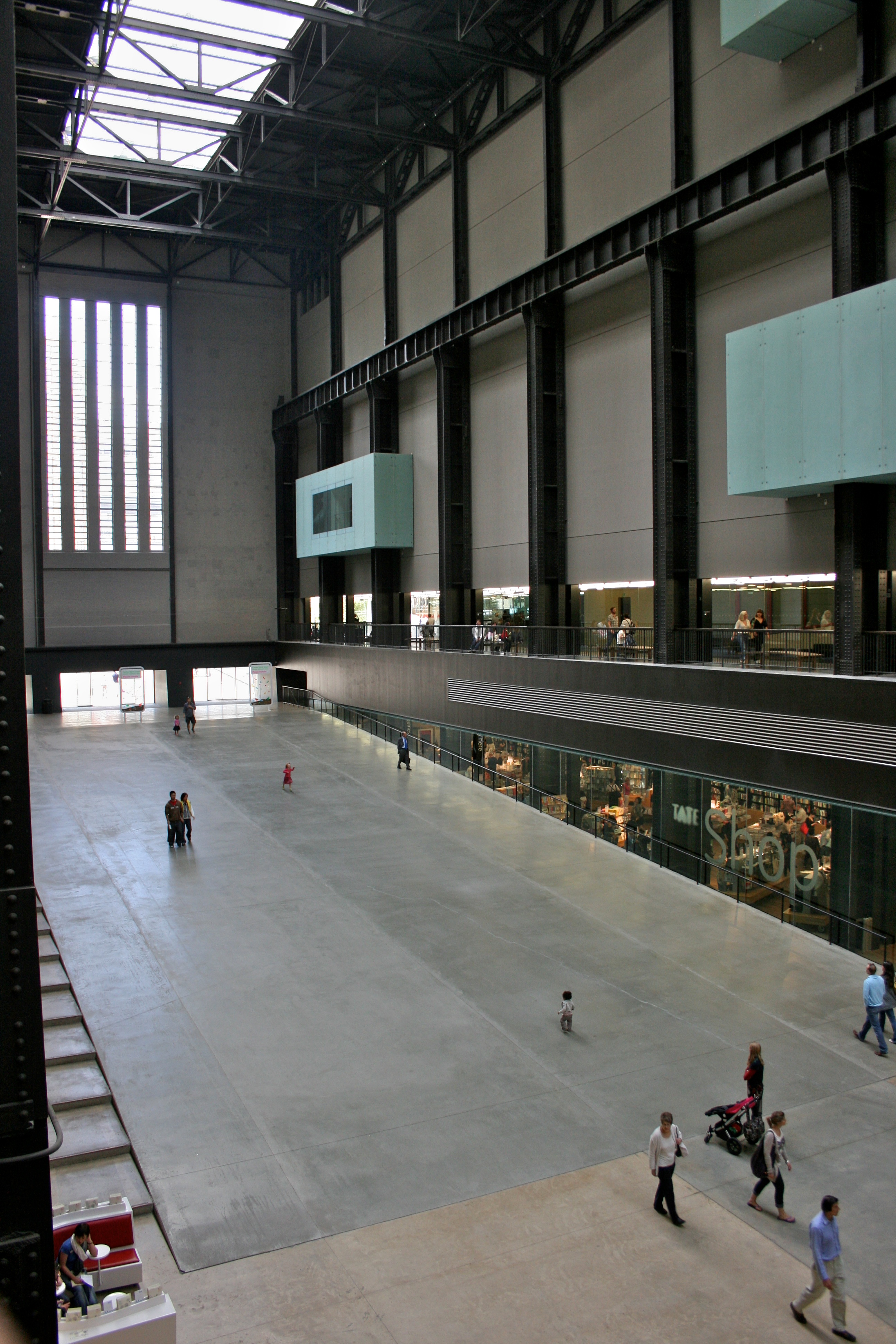 ART & THE CITY
Find the background, galleries and stories in our culture guide.
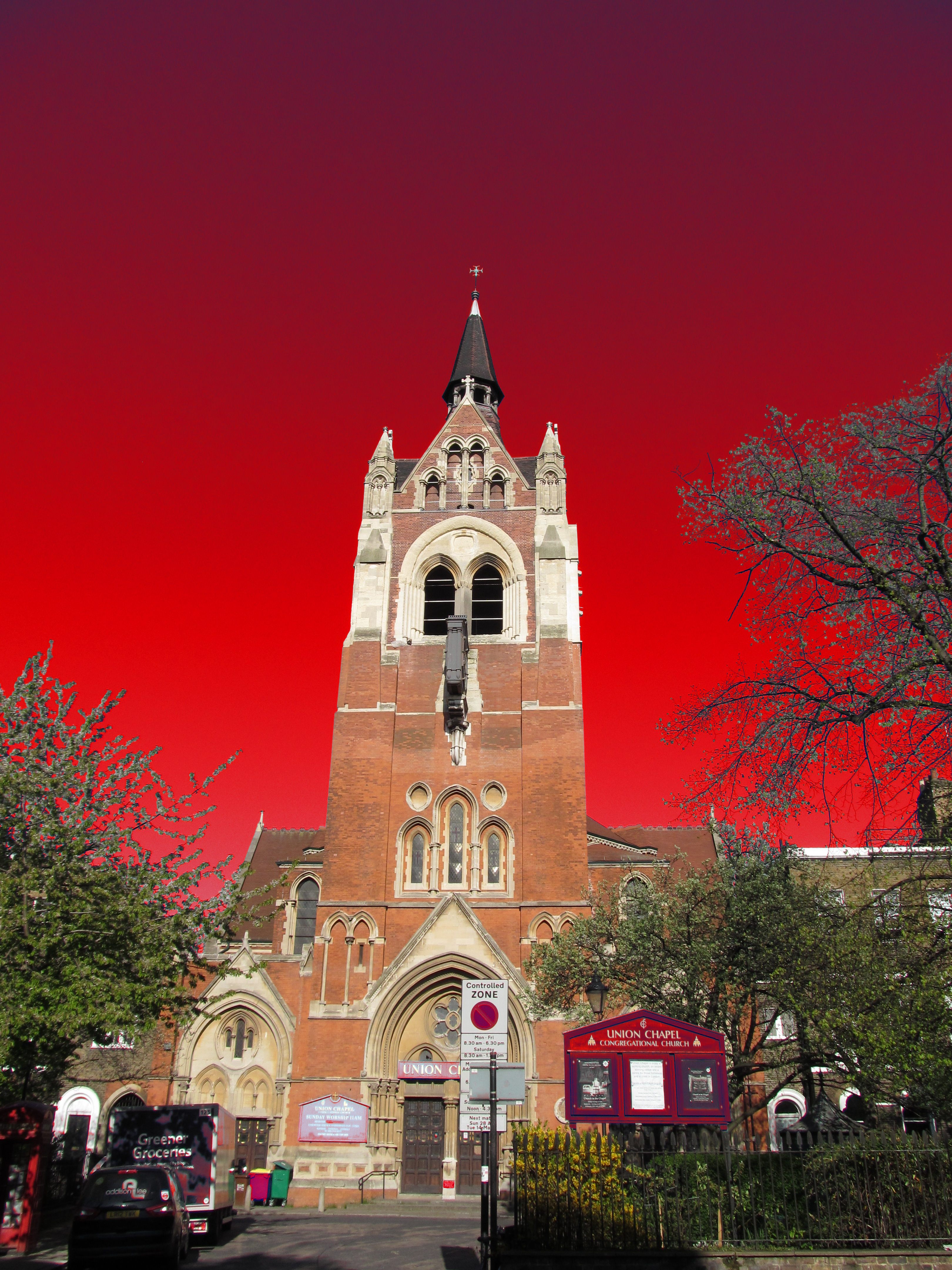 AFTER HOURS
From a small jazz room to an extraordinary concert hall.
Pick a category, search a name or neighbourhood, then open a group.
World history and archaeology.
Look for the Rosetta Stone, Egyptian collections and Parthenon sculptures. Allow 2–4 hours for a first visit, choosing a few galleries rather than trying to see everything. Aim for opening time if you want a quieter start.
Visit website ↗European painting beside the square.
Start with a handful of favourite artists, including Van Gogh, Turner and Monet, then explore from there. Allow 1–2 hours and combine it with Trafalgar Square. Check the gallery map for works currently on display.
Visit website ↗Modern and contemporary art in a former power station.
The former Bankside Power Station is part of the attraction. Explore the Turbine Hall and collection displays, then walk across the Millennium Bridge towards St Paul’s. Allow 2–3 hours; special exhibitions can need a separate ticket.
Visit website ↗Design, fashion, decorative arts and making.
Fashion, ceramics, furniture, photography and design reward a focused visit. Choose one or two departments, pause in the café, and pair it with a South Kensington walk. Allow 2–3 hours.
Visit website ↗Natural history, dinosaurs and the blue whale skeleton.
The blue whale skeleton in Hintze Hall, dinosaurs and Earth sciences are first-visit favourites. Allow 2–3 hours; family visits can easily take longer. Book the available entry slot before setting off.
Visit website ↗Conflict and its impact on people.
Explore the First and Second World War galleries and the Holocaust Galleries. Allow 2–3 hours, with time to pause. Read the museum’s age guidance before visiting sensitive displays with children.
Visit website ↗Explore the home of UK Parliament.
Walk Parliament Square and Westminster Bridge for the classic view. Going inside Parliament requires a suitable tour or visiting arrangement, so book that separately from your Westminster walk.
Visit website ↗Coronations, royal history and architecture.
Coronations, royal history and Poets’ Corner make this much more than a photo stop. Allow around two hours and check visitor access around services.
Visit website ↗A green pause between royal and political landmarks.
A useful green route between Westminster and Buckingham Palace. Cross the lake bridge for views in both directions and leave time for a sit-down between sights.
Visit website ↗The fortress, Crown Jewels and Yeoman Warders.
The Crown Jewels, White Tower and Yeoman Warder tours make this a half-day visit. Arrive near opening and prioritise the Crown Jewels if they are your main interest.
Visit website ↗The historic bridge and visitor experience.
The paid visit includes the high-level walkways and glass floor. Walking across the road-level bridge is a separate, free experience. Pair it with the Tower or a riverside walk to London Bridge.
Visit website ↗Check seasonal visitor access and official tickets.
Check the Changing of the Guard schedule before planning around it. Interior visits have seasonal opening dates and separate tickets. St James’s Park makes a natural next stop.
Visit website ↗A different perspective on the Thames.
Consider a late-afternoon slot for changing light over the Thames, allowing for the season and weather. Book ahead and leave time for the queue as well as the ride.
Visit website ↗Free with booking: a high-level garden and skyline views.
Book an available visiting slot ahead of time. Combine the skyline view with Leadenhall Market and a walk through the City.
Visit website ↗Compare current shows and official ticket offers.
Choose a musical, comedy or play around your evening plans. TKTS is a useful official discount-ticket starting point. Compare the actual seat and sightline, not only the percentage discount; check the current production rather than relying on an old show list.
Visit website ↗Concerts, the Proms and a broad events programme.
Classical music, rock, film scores and the Proms all appear in its programme. Its circular auditorium makes seat choice part of the experience; check the view and acoustical layout for your event.
Visit website ↗Arena concerts and major events.
A major stop for international tours. North Greenwich is on the Jubilee line; allow time for security and a busy station after the show.
Visit website ↗Music, theatre, cinema and arts.
Classical concerts, contemporary music, jazz, theatre and cinema in a distinctive arts complex. Arrive early enough to find your particular hall.
Visit website ↗Royal Festival Hall, Queen Elizabeth Hall and more.
Look across the Royal Festival Hall, Queen Elizabeth Hall and smaller spaces for classical, jazz and contemporary programmes. Easy to combine with dinner and a riverside walk.
Visit website ↗Live music in a former railway engine shed.
A former railway engine shed turned performance space. Look for indie, rock, electronic and experimental shows; read the railway-to-music story in our London soundtrack guide.
Visit website ↗An intimate historic music hall with theatre and music.
Atmosphere is half the appeal: a historic music hall with a varied performance programme. Combine an evening here with an east London walk.
Visit website ↗Jazz club.
Soho’s jazz institution opened in 1959. Book for the specific performance and check the seating, dining arrangements and start time.
Visit website ↗Soul, jazz and a wide live programme.
A Camden choice for soul, jazz, funk and global sounds. Check whether your ticket is for a seated meal, standing gig or club night.
Visit website ↗Live music in a long-established basement venue.
A long-established Oxford Street basement with roots in jazz and a place in punk history. Check the night’s genre before booking.
Visit website ↗An intimate jazz room.
An intimate Chelsea jazz room. Check the performance and dining arrangements together when reserving.
Visit website ↗Live music and acoustic roots.
An Earl’s Court stop for acoustic, folk and emerging live acts. A smaller-room alternative to the big venues.
Visit website ↗Independent music in a historic hall.
An ornate former dance hall in Shepherd’s Bush with a varied live programme. Check whether your show is seated or standing.
Visit website ↗Live music in a working chapel.
Music in a working Islington chapel, particularly rewarding for acoustic performances. Allow time to take in the building before the set.
Visit website ↗Pub and live music room.
A Barnes pub with an established jazz room. Make a riverside afternoon and an evening performance into one outing.
Visit website ↗Jazz in the basement club.
A Soho basement jazz venue combining a performance with a meal. Check the show booking separately from ordinary restaurant reservations.
Visit website ↗Independent bands and live music.
A smaller Islington room for indie and emerging artists. Check stage times so you catch the support act too.
Visit website ↗A pub venue with a long music history.
An intimate Islington basement associated with pub rock and new bands. A good scale for discovering an act close up.
Visit website ↗Experimental music and adventurous listening.
Dalston’s destination for adventurous listening, improvisation and experimental music. Read the programme notes and try something unfamiliar.
Visit website ↗Jazz and improvised music.
An intimate Dalston jazz club with a focus on live musicianship and adventurous programmes. Book around the artist rather than expecting background music.
Visit website ↗These places tell London’s trading and migration stories as well as supplying lunch. Read How London was made and Migration: arrivals and departures for the wider picture. Check each market’s trading days before travelling.
Food traders and produce beside Southwark’s historic streets.
Food trading around London Bridge reaches back into medieval London. Today, produce stalls and prepared food sit alongside each other. Browse before choosing lunch, and combine it with Southwark Cathedral and the riverside.
Visit website ↗Food, independent stalls and canal-side exploring.
Canals, former industrial buildings, vintage shopping and street food make this a neighbourhood outing. Leave time to explore beyond the first busy row of stalls, then walk along the Regent’s Canal.
Visit website ↗Antiques, clothing and market streets; days vary by trade.
Known for antiques, vintage finds and a long street-market tradition. Check which trading days suit your interests; the experience changes through the week. Pair it with a walk around Notting Hill.
Visit website ↗Food, design and stalls around a covered market.
A royal charter granted in 1682 is a key moment in the market’s story. The surrounding streets carry layers of Huguenot, Jewish and Bangladeshi history. Browse the covered market, then continue towards Brick Lane.
Visit website ↗Vintage shopping, food and the surrounding street-art scene.
Food, vintage shopping and markets sit within an area shaped by successive migrant communities. Walk the surrounding streets as well as the market spaces; explore the fuller story in our Migration guide.
Visit website ↗Crafts and food within reach of the park and maritime sights.
A covered market within Greenwich’s historic centre. Combine crafts and food with the river, maritime museums and the park rather than treating it as a separate cross-city trip.
Visit website ↗The historic piazza, market buildings and performances.
The fruit and vegetable wholesale market moved to Nine Elms in 1974. The old market buildings and piazza became the shopping and performance setting visitors know today. Add the London Transport Museum or a theatre visit.
Visit website ↗Victorian covered architecture, shops and places to eat.
Its covered streets sit on the site of Roman London’s forum and basilica. Look up at the ornate roof as well as the shopfronts. Weekday business life and a quieter weekend visit feel quite different.
Visit website ↗Street-market shopping around Middlesex Street.
A long-standing East End clothing-market tradition. The wider neighbourhood’s Huguenot textile story and later Jewish trading history belong to different periods. Check current trading days, then combine it with Spitalfields.
Visit website ↗Compare rooms and current facilities directly.
A riverside landmark with theatrical associations and a useful position for Covent Garden. Consider it for a classic grand-hotel experience close to an evening show.
Visit website ↗Classic central London hotel.
A Mayfair landmark closely associated with afternoon tea and traditional luxury. If tea is part of the plan, check its booking and dress requirements separately from your room.
Visit website ↗Historic hotel in Mayfair.
Mayfair luxury with celebrated Art Deco interiors. Its appeal is the hotel experience itself as much as the central address.
Visit website ↗Near the northern end of Regent Street.
A grand hotel near the north end of Regent Street. Useful for Marylebone, shopping and a central base slightly away from the river.
Visit website ↗Hotel within the Shard.
High-rise views above London Bridge are the defining feature. Good for Borough Market and riverside exploring; compare room view categories when booking.
Visit website ↗At the edge of Soho and Mayfair.
A heritage hotel at the meeting point of Regent Street and Piccadilly. A strong location for Soho, shopping and the West End.
Visit website ↗A central West End base.
A smaller Covent Garden base close to theatres and restaurants. Useful if walking home after a show matters more than being near an airport train.
Visit website ↗Near the museum district.
South Kensington’s museums are the main location advantage. A convenient choice for a museum-focused stay.
Visit website ↗A neighbourhood hotel option.
Characterful design is the draw. Confirm the exact property address when comparing Zetter options so you plan around the right neighbourhood.
Visit website ↗East London base.
A social Shoreditch base for restaurants, bars and east London exploring. Check the room size and your preferred late-night atmosphere.
Visit website ↗Neighbourhood hotels with practical in-room facilities.
Compare the Victoria and Kensington locations rather than treating the brand as one address. Useful for a quieter base and practical in-room facilities; check the room specification.
Visit website ↗Japanese-inspired design near Marble Arch.
Near Marble Arch, with Japanese-inspired design. A different mood from the traditional grand hotels and useful for Marylebone and Hyde Park.
Visit website ↗Near Westminster Bridge and Waterloo.
Close to Waterloo and the South Bank, with room options worth comparing for families. Check the exact bed configuration before booking.
Visit website ↗South Bank and Tate Modern area.
Useful for Tate Modern and walking along the South Bank. Compare the walk to your preferred station as well as the attraction distances.
Visit website ↗Compare access to your rail connection.
A rail-oriented base near Paddington. Allow for the walk through the station area when estimating an early departure.
Visit website ↗Apartment-style accommodation.
Apartment-style accommodation near major central sights. Compare kitchen facilities and service arrangements if staying for several days.
Visit website ↗Compare dates and room types.
An Aldgate base for the Tower and east London. Compare your dates rather than assuming a chain hotel is always the cheapest option.
Visit website ↗Check room size and facilities before booking.
Compact rooms in a very central nightlife and theatre location. Check floor area and whether your chosen room has a window.
Visit website ↗Compare the individual property and journey.
Compact accommodation across several London neighbourhoods. Choose the address first, then compare room type and optional extras.
Visit website ↗Near the Tower and transport connections.
A modern base near Tower Hill and the Tower. Compare the room layout with your needs, especially for shared or family travel.
Visit website ↗Book through the club or venue: major fixtures can sell out well ahead. A stadium tour is another way in when no suitable match is available. Plan the return journey and allow extra time for match-day station queues.
Practical next step → Find hockey, baseball, skating and lacrosse in Canadian sport in London.
Spurs’ home and a venue for NFL London games.
Check the official event calendar for NFL dates, football and stadium visits. Book through official channels and allow extra time for security and busy match-day transport.
NFL games & stadium information ↗Football and major events.
Visit website ↗Arsenal’s stadium.
Visit website ↗England rugby union’s home.
Visit website ↗The Championships and visitor information.
Visit website ↗Cricket and the ground’s history.
Visit website ↗Cricket in south London.
Visit website ↗Race meetings and visitor information.
Visit website ↗Concerts and selected sporting events; check the programme.
Visit website ↗Book through the club or venue: major fixtures can sell out well ahead. A stadium tour is another way in when no suitable match is available. Plan the return journey and allow extra time for match-day station queues.
Manchester United.
Visit website ↗Manchester City.
Visit website ↗Liverpool FC.
Visit website ↗Scotland’s national football stadium.
Visit website ↗Celtic FC.
Visit website ↗Rangers FC.
Visit website ↗Rugby and major events.
Visit website ↗Northern Ireland football.
Visit website ↗Scottish rugby.
Visit website ↗Home of the Grand National.
Visit website ↗Racing and the Festival.
Visit website ↗Motorsport and the British Grand Prix.
Visit website ↗Indoor events; check the current programme.
Visit website ↗Concerts and selected sporting events.
Visit website ↗No matches. Try another name or choose All.
Check opening days, ticket availability and access with the venue. Listings are starting points, not endorsements or live availability. Many museum collections are free; exhibitions and some attractions charge.
Suggested combinations, ready to adapt to your time and interests.
Walk from Westminster through St James’s Park towards Trafalgar Square, then choose Covent Garden or Soho. Leave time for a gallery, food or theatre.
Build a day around the London Eye, riverside spaces, Tate Modern and the streets around London Bridge. Pick a shorter stretch if you want time inside.
Combine the market, park and maritime sights. Use the DLR, rail or a river service as part of the day.
Try Notting Hill and Portobello, Hampstead Heath, or Spitalfields and Brick Lane. For music connections, explore Camden, Soho’s record shops or Abbey Road.
Use the right railway gateway for the day trip or next leg.
| Start with | Best for / destinations | Tube & local connections |
|---|---|---|
| King’s Cross | York, Leeds, Newcastle, Edinburgh and Cambridge | Victoria, Northern, Piccadilly, Circle, Hammersmith & City and Metropolitan |
| St Pancras | Eurostar and domestic routes towards the East Midlands; Thameslink through London | The same six Tube lines at King’s Cross St Pancras; allow time to walk between mainline terminals |
| Euston | Birmingham, Manchester, Liverpool and Glasgow | Victoria and Northern; Circle, Hammersmith & City and Metropolitan at nearby Euston Square |
| Paddington | Oxford, Bath, Bristol, South Wales and the West Country | Bakerloo, Circle, District and Hammersmith & City; Elizabeth line |
| Waterloo | Windsor, Southampton, Portsmouth and Bournemouth | Bakerloo, Jubilee, Northern and Waterloo & City (check operating days) |
| Victoria | Gatwick, Sussex and Kent routes | Victoria, Circle and District |
| Liverpool Street | Cambridge, Norwich, East Anglia and Stansted | Central, Circle, Hammersmith & City and Metropolitan; Elizabeth line |
| London Bridge | Gatwick, Brighton, Kent and south London | Jubilee and Northern |
Examples rather than a complete timetable. Confirm your date, station, ticket restrictions and engineering works. Avoid a tight connection straight after a flight.
Compare tickets ahead of time: Advance fares can be cheaper but tie you to a particular service. A flexible ticket may suit an uncertain airport arrival better.
Reserve a seat where the operator offers reservations, especially for a long journey with luggage. Some services do not offer reserved seats. Check railcards such as 16–25, 26–30, Two Together and the Network Railcard against your age, travelling companions, route and travel time. Discounts have conditions, and Two Together requires both named travellers to travel together.
Compare the train operator’s website with booking platforms such as Trainline, including fees and change terms. Check engineering work again shortly before travel.
A short checklist to keep the essentials together.
Your ticks are saved in this browser where available.
Reorganised from the CIL Canada to UK travel guide. Travel rules, routes, venue programmes and hotel availability change; use the linked official pages for your dates.
Passport illustration: existing CIL travel-page artwork. Union Chapel: David Holt London, CC BY-SA 3.0. Photographs cropped for display.
Tate Modern: Mike Peel (www.mikepeel.net), CC BY-SA 4.0 · Original CIL travel page
An afternoon worth sharing
Royal parks and Canadian connections, docks and skylines, or markets and migration. Pick a starting station and make an afternoon of it.
Find your route →
