
Cultural fluency · Canadians in London
Migration: arrivals and departures
The journeys, communities and family connections that helped make Britain, and carried people from Britain to Canada.
The routes that shaped Britain
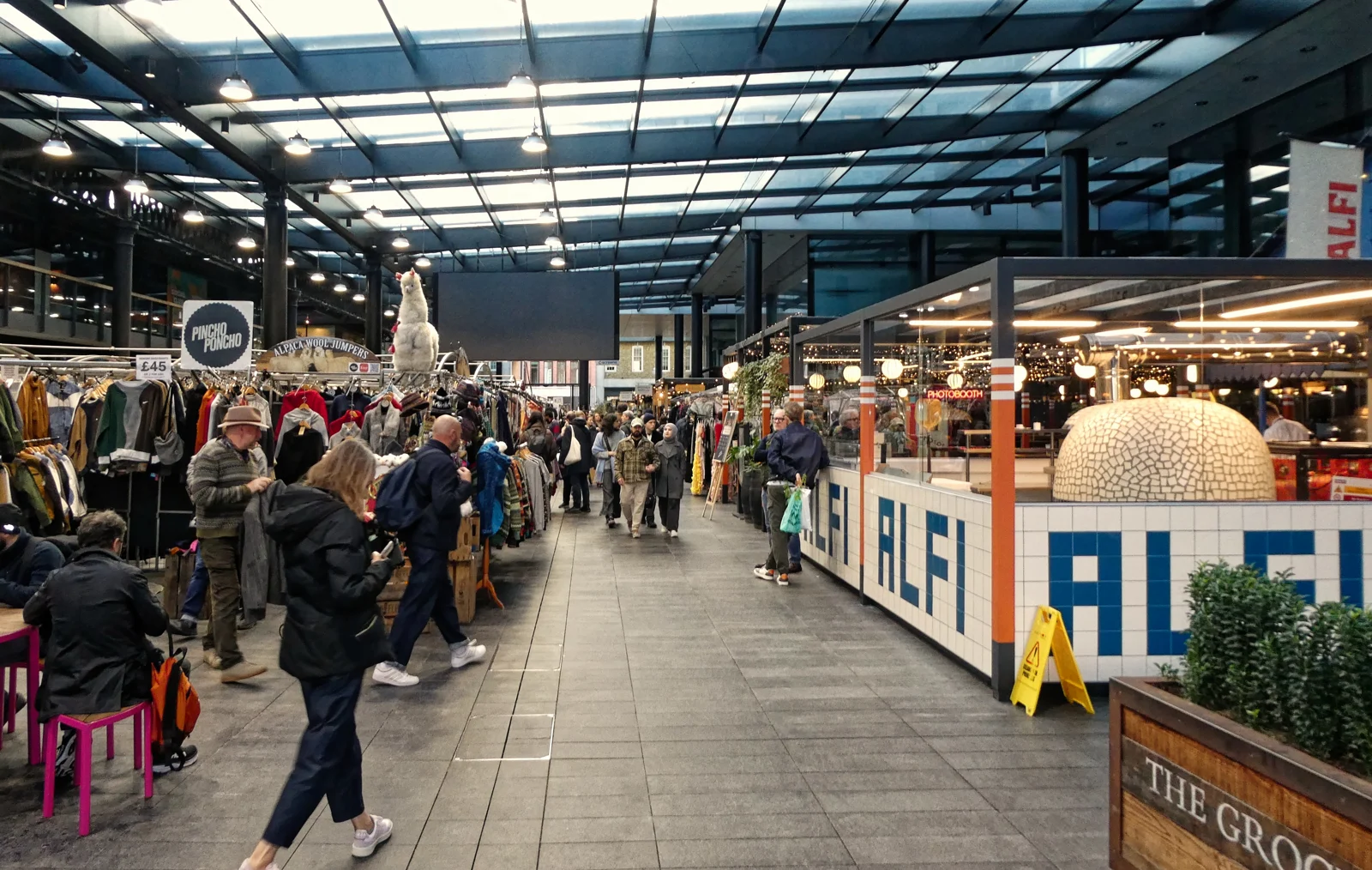
Britain has been shaped by people arriving, leaving and returning. Trade, empire, work, family and refuge produced different journeys. These histories help explain the neighbours, institutions, food and music around us.
Earlier arrivals: Huguenots, Jewish families and port communities
French Protestant Huguenots fleeing persecution helped shape Spitalfields’ weaving industry. Later Jewish arrivals from eastern Europe made the East End a centre of working life, religious institutions and political organising.
Irish migration is another long thread in Britain’s story. Maritime connections also brought Chinese seafarers to Limehouse, long before today’s Chinatown in Soho. Communities overlap and move; a neighbourhood rarely has just one history.
Caribbean Britain: Windrush and the generations around it
The arrival of Empire Windrush at Tilbury in June 1948 became a symbol of post-war Caribbean migration. Black people had lived in Britain for centuries, and other ships had brought Caribbean passengers before Windrush.
People came from Jamaica, Trinidad and Tobago, Barbados and other Caribbean societies to work, study and build lives. Their influence reaches across public services, music, literature, sport and politics. “West Indian” is a term you will hear in older records and cricket; Caribbean communities have distinct national and cultural histories.
The Windrush scandal later exposed how people with a right to live in Britain were wrongly treated as unlawful residents. That belongs alongside the story of contribution and belonging.
South Asia via East Africa: Gujarati and Punjabi connections
Some British families’ migration stories run from South Asia to East Africa and then to Britain. Indian Ocean trade predates British rule; colonial commerce, administration and railway labour brought further South Asian settlement in East Africa.
Gujarati and Punjabi communities were prominent, with different languages, faiths, occupations and family histories. Gujarati describes a regional and linguistic connection to Gujarat, not one religion. An East African Asian family may have deep roots in Kenya or Uganda as well as India.
Kenya in the 1960s: independence, citizenship and uncertainty
After Kenyan independence in 1963, Africanisation policies affecting employment and commerce, together with citizenship uncertainty, encouraged Asian families to leave. Many held British passports.
In 1968 Britain rushed through legislation restricting entry for many of those passport holders. This was a distinct history from Uganda’s later mass expulsion: knowing the difference helps explain why a family’s passport and its sense of belonging could tell different stories.
Uganda, 1972: ninety days to leave
Idi Amin ordered the expulsion of Uganda’s Asian population in 1972, with a ninety-day deadline. Families lost homes, businesses and possessions. Thousands resettled in Britain, while others went to Canada and other countries. Canada admitted more than 6,000 Ugandan Asians in the initial 1972 movement, with further arrivals in 1973. Families could end up with close relatives on both sides of the Atlantic. Pier 21: Canada’s resettlement programme ↗
The National Archives’ community project records the upheaval and rebuilding in people’s own words. These are stories of family, work and public life as well as business success.
South Asian Britain: more than one route or community
Other families came directly from India, Pakistan, Bangladesh and Sri Lanka. Britain’s South Asian history includes seafarers, students, workers, activists and families across several generations.
In east London, Bangladeshi connections with Sylhet are an important part of the story. Punjabi-speaking communities have their own institutions and cultural life. The British Library’s South Asian Britain project brings together these varied routes and voices.
A continuing story: work, refuge and family
European, African, Middle Eastern, East and Southeast Asian communities also belong in this picture. Polish, Somali, Nigerian, Ghanaian, Turkish, Kurdish and Vietnamese histories, among many others, follow different routes through work, conflict, education and family reunion.
The Migration Museum’s collections provide a way to explore individual experiences beyond a list of nationalities. Its NHS and business histories show migration shaping everyday institutions, while its Departures project follows people leaving Britain.
Leaving Britain, building lives in Canada
English, Scottish, Welsh and Irish journeys helped shape Canadian regions, workplaces and communities. Some people followed jobs or relatives; others faced displacement or were sent as children.
Explore Gaelic Nova Scotia and Ontario, Hamilton’s industrial workforce, British Home Children and war brides in our Canadian settlement briefing, including a table of places and connections.