Start close to home
Look up your borough’s library service for membership, reading groups, events and digital resources. It can be a welcoming place to get to know your neighbourhood.

Cultural fluency · Canadians in London
The stories behind London’s cultural life, with places to read, look, watch and join in.
The key people, the reasons for change and the legacy you can still see. Open a briefing to read more.
The Public Libraries Act of 1850 emerged from a campaign to make libraries accessible beyond those who could afford private collections or subscriptions. MP William Ewart brought the proposal before Parliament, pointing to provision elsewhere and to the wishes of towns seeking their own institutions.
The original measure was limited. It enabled qualifying boroughs to adopt library provision; it did not instantly create a comprehensive national service. The distinction matters because the familiar local library grew through legislation, local decisions and sustained investment.
This is the background to the library’s place in civic life: access to reading and knowledge as something a town could provide collectively. Today’s local services are the place to check what that means in your own borough.
The National Gallery began in 1824 when the government bought 38 paintings from the heirs of financier John Julius Angerstein. It first opened in his former house on Pall Mall. Its foundation was a public purchase of a private collection, rather than the transfer of an existing royal collection.
That is a useful detail when standing in Trafalgar Square: the institution grew from a much smaller beginning. It is also worth knowing that the Gallery researches its benefactors’ connections to the slave economy. Public access and the origins of private wealth are both part of its history.
Look up your borough’s library service for membership, reading groups, events and digital resources. It can be a welcoming place to get to know your neighbourhood.
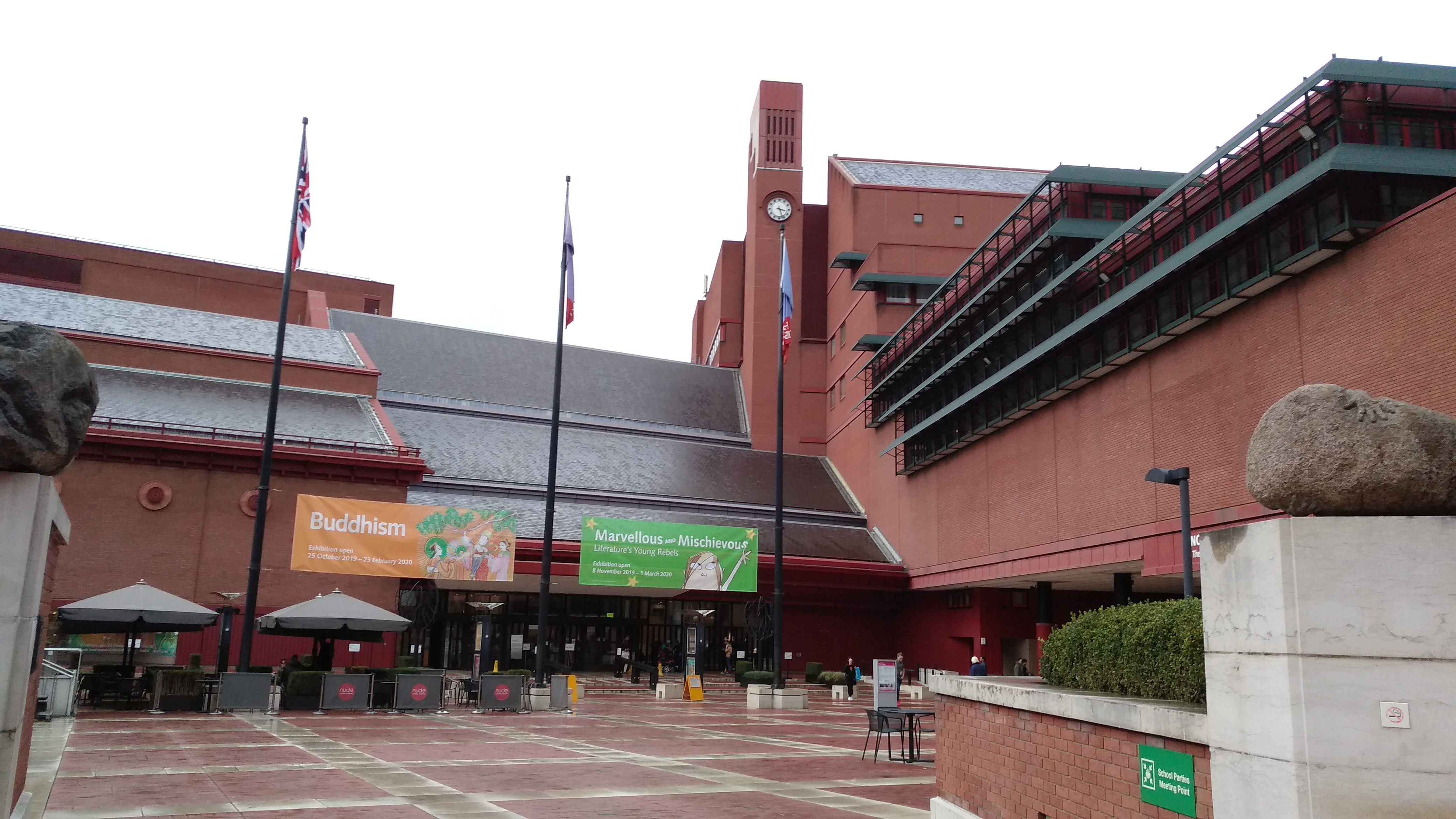
The British Library at St Pancras offers another route into books, manuscripts and ideas. Explore the collection and check visitor arrangements ↗ before planning your visit.
Start with the collection in Trafalgar Square. Entry to the collection is free; check arrangements and separate exhibition charges. Plan a visit ↗
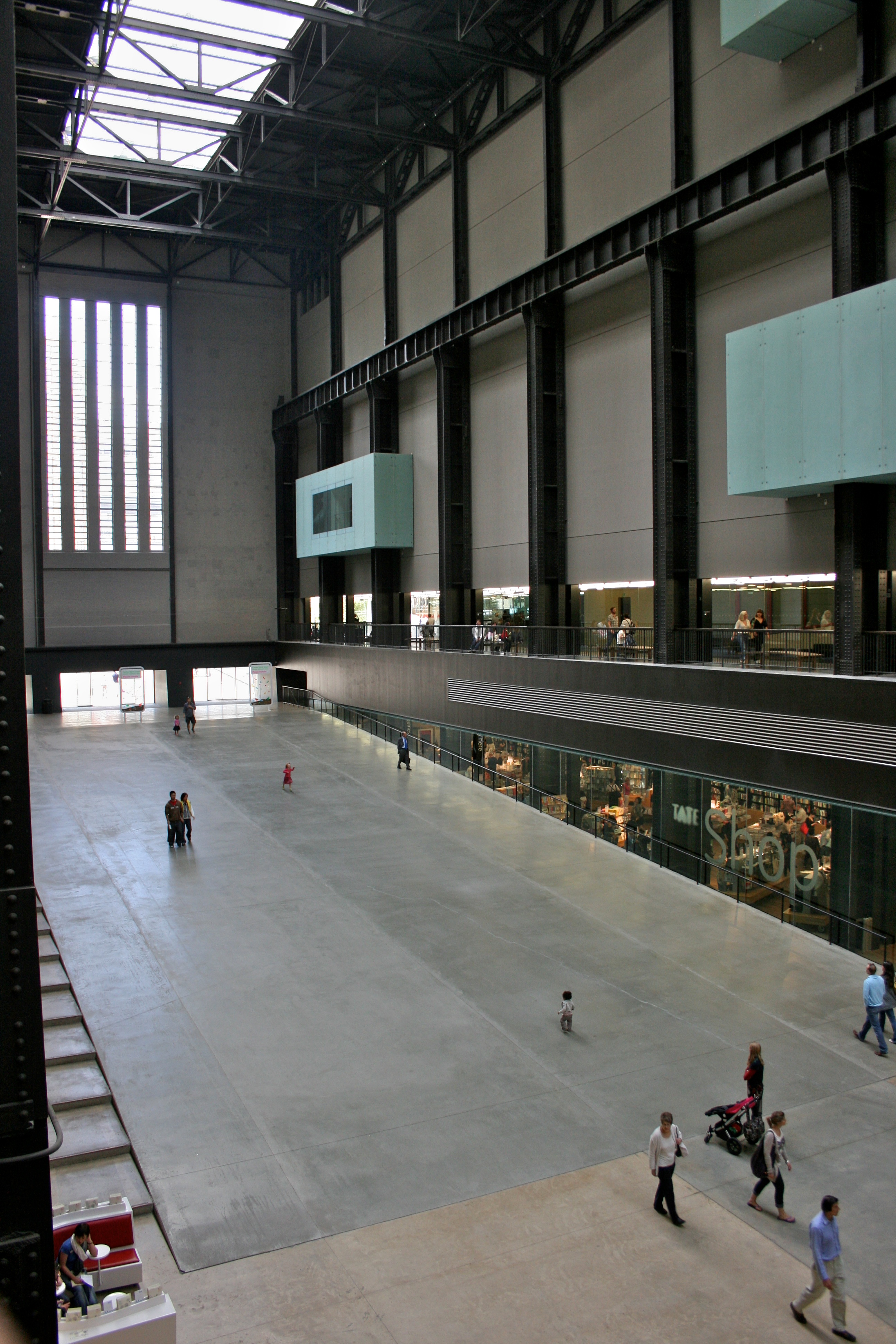
International modern and contemporary art in a former power station. Begin with the building and a few works, rather than trying to “finish” the place. Explore Tate Modern ↗
A small gallery, an artist’s talk or a borough library event may connect you with people more easily than a landmark visit. Look for a recurring programme you can return to.
“Bake Off” usually means The Great British Bake Off, the baking competition. “Strictly” means Strictly Come Dancing, pairing celebrities with professional dancers. They provide a useful starting point for understanding conversations about contestants, judges and weekly results.
They are not a compulsory national viewing list. Ask which series someone follows rather than pretending to know the reference. Programme references vary just as much by age and friendship group as by nationality.
Source: BBC Programme Index
A Christmas special is an additional festive episode or edition of a programme. The appeal often depends on already knowing the characters or format. A reference to a sitcom scene can therefore carry years of shared viewing in a few words.
“What’s that from?” is a perfectly good response to a joke you do not recognise. It gives the other person a chance to share something they enjoy.
Free access to permanent collections at previously charging national museums was extended in 2001. Several major galleries were already free. Special exhibitions and events may carry charges, and free visits may still need booking. The policy background ↗
Objects and histories from across the world. Pick one area rather than trying to see everything.
Plan a visit ↗Art, design, fashion and the things people make and use.
Plan a visit ↗The natural world, from fossils to the science of life today.
Plan a visit ↗Inventions, technology and the people behind scientific change.
Plan a visit ↗British art across centuries, useful alongside a walk along the Thames.
Plan a visit ↗Faces behind the names in British history and public life.
Plan a visit ↗Look for evening “lates”, curator talks and workshops. Dates, booking and prices vary by institution; a late opening is not necessarily a party or a free event.
The Royal Academy Summer Exhibition ↗ brings established and emerging artists into one annual show. The Turner Prize ↗ often sparks debate about contemporary art. Frieze London ↗ is a major art-fair reference, while the Fourth Plinth ↗ places changing commissions in Trafalgar Square.
Use the organisers’ links for this year’s dates, admission and venue. The Turner Prize exhibition is not always in London, and the Fourth Plinth is an ongoing public-art programme rather than a fair to book.
You can have an opinion without having the correct art-world vocabulary. “What do you make of it?” works well.
Start with a familiar name, then try a voice that shows you a different city. These are literary perspectives, not a single definitive account of London.
A route into older London: inequality, crowded streets, social ambition and characters whose names outlive their books.
A different London, shaped by inner lives, walking, social expectations and the literary world around Bloomsbury.
A route into contemporary London, with questions of belonging, family, identity and a changing city.
Ask your borough library for a copy or a reading-group recommendation.
English Heritage’s blue plaques ↗ connect people with buildings where they lived or worked. Choose a neighbourhood and follow a few plaques on foot. Most marked homes are private, so the plaque is the stop, not an invitation inside.
On the Tube, look out for Poems on the Underground. A few lines above the seats can become a small daily ritual. TfL’s Underground resources ↗
Browse Hatchards ↗, Foyles ↗, Daunt Books ↗ or the London Review Bookshop ↗. Cecil Court offers another bookish walk near Leicester Square. Events and readings can turn a browse into a social evening.
The London Library ↗ in St James’s Square was founded in 1841. It is a subscription membership library, distinct from a free borough library. Check membership or visitor events before arriving.
Start with a production’s official site and compare day seats, rush releases or other offers where available. The Official London Theatre Ticket Booth, formerly TKTS ↗ in Leicester Square is run by the Society of London Theatre and offers another official route, also available online. Not every ticket is discounted. Compare the total price, seat view and performance date before paying.
“The stalls” means the lower seating area; “the interval” is the break. Late arrival may mean waiting to be admitted. Check access information and captioned, audio-described or relaxed performances with the venue.
The National Theatre ↗ on the South Bank is a useful starting point for large-scale productions and new work.
Shakespeare’s Globe ↗ opened in 1997 after the campaign led by American actor and director Sam Wanamaker. It is a reconstruction, not Shakespeare’s surviving building. The open-air yard changes the experience: check whether you are booking standing or seated places and dress for the weather.
Agatha Christie’s The Mousetrap ↗ is the famous long-running West End mystery that began in 1952. Keeping its ending to yourself is part of the tradition.
Smaller theatres offer another way in: local stories, new writing and a room close to the stage. Look at a nearby theatre’s programme rather than assuming the West End is the whole scene. Pub theatre means an actual performance space associated with a pub, not actors competing with the television downstairs.
Familiarity varies by age and household. “What’s that from?” is a perfectly good response. BBC Programme Index ↗
“He’s behind you!” warns a character about something the audience can see. “Oh no it isn’t!” invites “Oh yes it is!” back. The pantomime dame is a larger-than-life comic female character traditionally played by a man, with extravagant costumes and audience banter.
Check the production’s age guidance and access performances. Panto is participatory theatre: laughing at the silliness together is part of the point.
The monarch’s Christmas broadcast is a familiar Christmas Day ritual, traditionally at 3pm UK time. Some households stop to watch; others do not. Check the year’s listings rather than treating it as an obligation.
World Book Day: the UK celebration falls in early March. Schools may organise costumes, reading activities or book tokens. Check the school message before a last-minute costume panic: the organisers say dressing up should be inclusive, affordable and optional. World Book Day for educators ↗
Paddington, Mary Poppins and Peter Pan can make the city recognisable to children before they arrive. Sherlock Holmes’s 221B Baker Street and the Platform 9¾ attraction at King’s Cross are fictional references brought into the visitor landscape.
Choose one story and a manageable outing. Check the official attraction’s opening, booking and queue arrangements; a fictional address is not evidence that its character lived there.
Reading companions sit beside the subjects they illuminate, labelled as history, memoir or fiction. Explore London’s development, medieval England, Tudor power and the Troubles, or empire and migration. Your local library is a useful first stop.