Royal Albert Hall
For the occasion as much as the performance. Think orchestras, major concerts and a spectacular room, with a programme that reaches far beyond classical music.
Explore the programme ↗
Cultural fluency · Canadians in London
The people and ambitions behind London’s music spaces, alongside places to hear jazz, folk and independent artists.
The key people, the reasons for change and the legacy you can still see. Open a briefing to read more.
The Hall grew out of Prince Albert’s vision for South Kensington after the Great Exhibition of 1851. The ambition was to create permanent institutions for public education, including a hall. Sir Henry Cole helped carry the project forward, and the Royal Albert Hall opened in 1871.
This places the building within a wider Victorian project linking arts, science and learning. Its name commemorates Albert, but the institution was the work of organisers, funders and builders as well as royal ambition. The archive records a long programme extending beyond concerts into public gatherings and other events.
Source: Royal Albert Hall archive
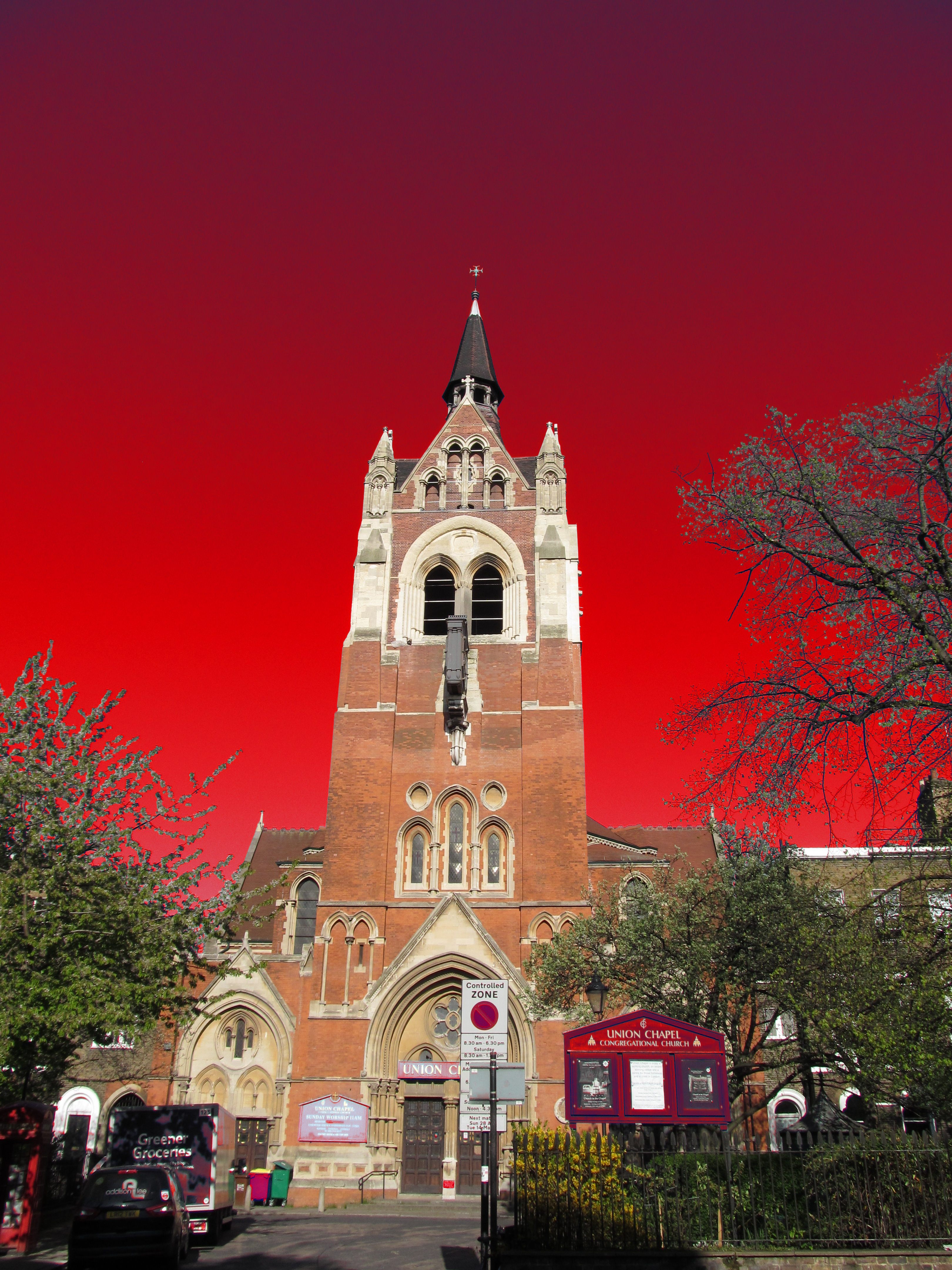
The congregation was founded in 1799 by Anglicans and Nonconformist Christians coming together. That union gives the chapel its name. The present building was dedicated in 1877, so the institution is older than the striking room visitors see today.
The building’s survival was not inevitable: proposals for demolition and redevelopment emerged in the early 1980s. Its present identity as a church, music venue and centre of community activity is best understood against that longer history. It is a living institution, not simply a concert hall with church-like decoration.
Source: Union Chapel’s own history
The Royal Festival Hall was built for the Festival of Britain in 1951. The festival presented science, design and the arts to a country rebuilding after the Second World War. The Southbank Centre traces its beginnings to that event.
The point was larger than providing a new concert room. The festival offered a public expression of progress and a future beyond wartime destruction. Later buildings and activities expanded the site. Knowing that origin gives the riverside setting a meaning beyond being a convenient place for an evening out.
The Barbican Centre opened in 1982 on a site shaped by wartime destruction. Its own archive documents the transformation from bomb-damaged ground into an ambitious arts centre.
The architecture is part of the experience rather than a neutral container for performances. Concrete, terraces and connected spaces make the centre recognisable as a major post-war undertaking. Its history gives context to a building that can initially feel difficult to navigate: it belongs to a larger vision of remaking this part of the City.
Source: Barbican: 35 Years of Firsts
John Wilton’s grand music hall opened in 1859, growing out of a pub and concert-room business. Music hall brought songs, comedy and variety acts together for an audience out for a lively social evening. It helps explain a strand of British entertainment built on personality, familiar choruses and audience participation.
In 1888 the East London Methodist Mission bought the building. As the Mahogany Bar Mission, it became a place of worship and support for the surrounding community. Its survival carries both histories: popular entertainment and social care.
After later decline and decades of campaigning, a major conservation project was completed in 2015. The worn surfaces and layered character remain part of the experience. Today Wilton’s presents theatre and music, with heritage tours offering another way into its story.
A few good doors to walk through, from a tiny listening room to a grand night out. These are starting points, not a league table.
Showing 18 venues
For the occasion as much as the performance. Think orchestras, major concerts and a spectacular room, with a programme that reaches far beyond classical music.
Explore the programme ↗A working church and an atmospheric live venue. A strong starting point for an intimate, attentive evening with a singer or acoustic act. Check the particular show.
Explore the programme ↗A place to follow your curiosity across classical, contemporary music and jazz. The wider arts centre makes it easy to pair a concert with another cultural stop.
Explore the programme ↗Royal Festival Hall and its neighbouring venues offer a broad programme of music, performance and talks. A useful starting point when your group has mixed tastes.
Explore the programme ↗The classic jazz-club introduction. Read the booking details for the specific performance rather than treating it as a pub you can simply wander into.
Explore the programme ↗An intimate independent venue with folk, roots, blues, jazz and singer-songwriters. A good place to discover someone you didn’t already know you liked.
Explore the programme ↗A home for folk music and dance. Explore concerts, workshops and participatory events, from traditional repertoire to newer interpretations.
Explore the programme ↗A pub with a live music room upstairs. Follow the listings for indie bands and smaller gigs, including the support acts who might become your next favourite.
Explore the programme ↗A former locomotive shed with a distinctive circular room. Pair a gig with the railway story below.
Explore the programme ↗A jazz room beneath the Soho restaurant. Founder Peter Boizot’s enthusiasm for jazz helped connect the restaurant business with live music.
Explore the programme ↗Explore the programme for jazz and adventurous listening in Dalston. Choose a performance that sparks your curiosity.
Explore the programme ↗Live music and club nights in Camden. Check the event format before choosing your night.
Explore the programme ↗A jazz club and restaurant on Lots Road. Read the dining and admission arrangements when booking.
Explore the programme ↗Chamber music, song and recitals in a dedicated listening space. Look at lunchtime as well as evening programmes.
Explore the programme ↗A central church with a concert programme, including lunchtime performances. Check each listing for admission and booking details; do not assume every concert is free.
Explore the programme ↗Live bands, comedy and club nights in the Old Trades Hall. Follow the programme rather than expecting one house style. Its name comes from the Memorable Order of Tin Hats, a veterans’ association.
Explore the programme ↗Small-room gigs and emerging artists, with a programme that rewards taking a chance on an unfamiliar name.
Explore the programme ↗A former 1904 dance hall returned to music use in 2001. An independent venue whose room is part of the occasion.
Explore the programme ↗The O2 at North Greenwich hosts arena shows; Wembley Stadium hosts stadium-scale concerts. Check the full Wembley venue name on your ticket: the stadium and the nearby arena are different places.
O2 Academy Brixton, the Eventim Apollo in Hammersmith and Alexandra Palace, often called “Ally Pally”, are other familiar names in gig conversations.
Check doors, support acts, seating or standing, bag restrictions and the journey home on the event page. For a sell-out, use the venue’s approved resale route.
Hyde Park, Finsbury Park and Victoria Park become outdoor concert destinations during the summer. BST Hyde Park and All Points East are names you will hear; bills, dates and event arrangements change.
A park festival can mean a whole day out rather than an evening gig. Check entry and re-entry rules, permitted bags and the finishing time. For Finsbury Park, follow the named promoter’s official event information.
You do not need an expert vocabulary to go. Read the synopsis, arrive with time to find your seat and let the performance do the rest.
It means the venue opens. Look for stage times, support acts and the curfew before planning dinner or your last train.
A seated folk or jazz performance may be a listening room. Save the catch-up for the interval; a busy standing gig has a different rhythm.
Check seated versus standing, sightlines, age restrictions and accessibility on the event page. A famous venue can offer very different experiences on different nights.
London’s punk history is tied to the 1970s, small venues, fashion and a do-it-yourself approach. Reggae and dub brought Jamaican musical traditions into record shops, clubs, sound systems and carnival, creating new London scenes and connections between audiences.
A sound system means a musical operation and culture, including selectors and equipment, as well as the speakers themselves.
UK garage and, later, grime connected clubs, pirate radio and neighbourhood creativity. Grime emerged in east London in the early 2000s, giving young artists a distinctive way to describe local life. Wiley and Dizzee Rascal are names you will hear in accounts of its beginnings.
These are living scenes as well as historical labels. Follow a venue or artist you enjoy and explore the people they collaborate with.
Alongside choirs, look for open mics, folk sessions, jazz jams and amateur orchestras. An open mic usually offers a short performance slot; a jam can expect knowledge of the repertoire and comfort playing with others.
Ask about signing up, skill level, house instruments, whether you need to bring an accompanist and how long your slot is. Listen first at a session, then ask the organiser how to join.
Community choirs, pop choirs and choral societies give you a shared activity before you need an opening line. Look for a local group whose rehearsal night, repertoire and approach suit you.
Ask whether it is auditioned, whether you need to read music, what membership costs and whether you can try a rehearsal. “No audition” and “beginners welcome” are useful phrases to look for.
Making Music’s group directory is a starting point for finding choirs and other amateur music groups by location.
Glastonbury began in 1970 at Worthy Farm in Somerset. Its Pyramid Stage, headliners, camping and ticket sales are cultural references well beyond the people who attend. “Did you get tickets?” can start a conversation months before the music.
The festival covers much more than headline bands, including theatre, circus and other performance. Follow the official registration and ticket instructions for the relevant edition; do not assume it takes place every year.
Official festival history · Official ticket and visitor information
Built in 1846 to 1847 as a locomotive shed with a central turntable, the Roundhouse at Chalk Farm belonged to Camden’s railway landscape. Tracks radiated from the turntable so engines could be moved into the surrounding bays. The circular form served a working purpose before it became a memorable performance space.
Its railway use was short-lived. The building later became a store for Gilbey’s wines and spirits, then reopened as an arts venue in 1966, associated with playwright Arnold Wesker’s Centre 42 project. Its subsequent music and theatre history is a chapter in the reuse of London’s industrial buildings.
That is a useful connection to make on a visit: the shape of the room preserves the railway story even when the evening is about live music.
Sources: Camden Railway Heritage Trust; National Transport Trust. Roundhouse programme ↗
The Christmas number one is the single topping the UK chart at Christmas, not necessarily a Christmas song. The history includes festive records, pop hits, charity releases and campaigns.
That distinction explains why people discuss the result as an event in its own right. Official Charts keeps the historical list, so you can check the year behind a reference without guessing.
Source: Official Charts
Robert Newman launched the promenade concerts at Queen’s Hall in 1895, with Henry Wood conducting. The ambition was to introduce a wider public to orchestral music through an approachable concert series.
Today’s BBC Proms are a whole season, not just the televised Last Night. “Promming” refers to the standing-ticket tradition. Check the current programme, ticket arrangements and eligibility for offers before planning a visit; prices and availability change.
Sources: BBC: the Proms and their audiences · Royal Albert Hall programme
King’s Cross · Classical, jazz and folk
An independent arts hub with a programme that crosses musical boundaries. A good place to discover an artist you have not heard before, with concerts alongside talks and other events.
Make an evening of the King’s Cross area, then choose your concert from the venue’s current programme.
Kings Place programme ↗Notting Hill · Music and community
A former church built in 1887, now an independent arts venue hosting music, comedy, theatre and community events. Its history connects the building with the neighbourhood’s Black community and musical life.
Pair a performance with a wander around Portobello Road. Check the event listing for the format of the evening.
The Tabernacle programme ↗Buy through the venue or the seller it names. If a show is sold out, check its approved resale arrangements and transfer rules before paying someone else.
Night Tube runs on selected routes on Friday and Saturday nights, not across the whole network every night. Check your specific last train, night bus or alternative before the encore.
Night Tube information ↗Nonfiction
Jazz clubs, blues parties, sound systems and warehouse raves: the people and music that helped shape London.
Choose one regular night or a welcoming choir. Put the next date in your diary and return. Familiar faces become easier to talk to.
Put your next step in the planner →