
Canada and Britain
A shared monarch, constitutional history, wartime connections and Canada House. Familiar links, with important differences. Explore the Canadian thread →

Cultural fluency · Canadians in London
Get up to speed. Feel part of the conversation.
Find your starting point ↓
Get a feel for London
Richmond, Islington, Hampstead, Crystal Palace, Ealing and Borough. Pick a pin, explore the local character and watch twenty short neighbourhood films.
Find your London →For a special evening, visitors or a little indulgence
Remarkable restaurants, grand hotels, afternoon tea, skyline bars and members’ clubs. Explore by neighbourhood or plan your next night out.
Explore London at Its Finest →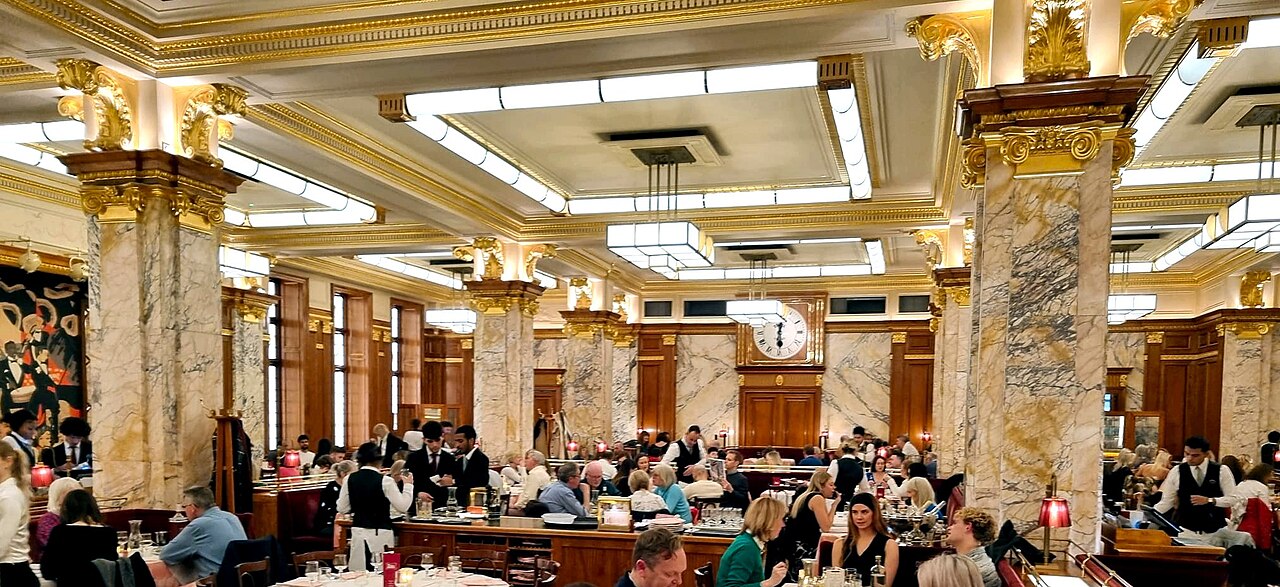
Cultural fluency means recognising the references, traditions and social signals that make conversations easier and communities more familiar. Explore the people, institutions and turning points behind everyday life, with enough context to join in and ask better questions.
Shared history, distinct identities and a Canadian walk through London.
Take a look →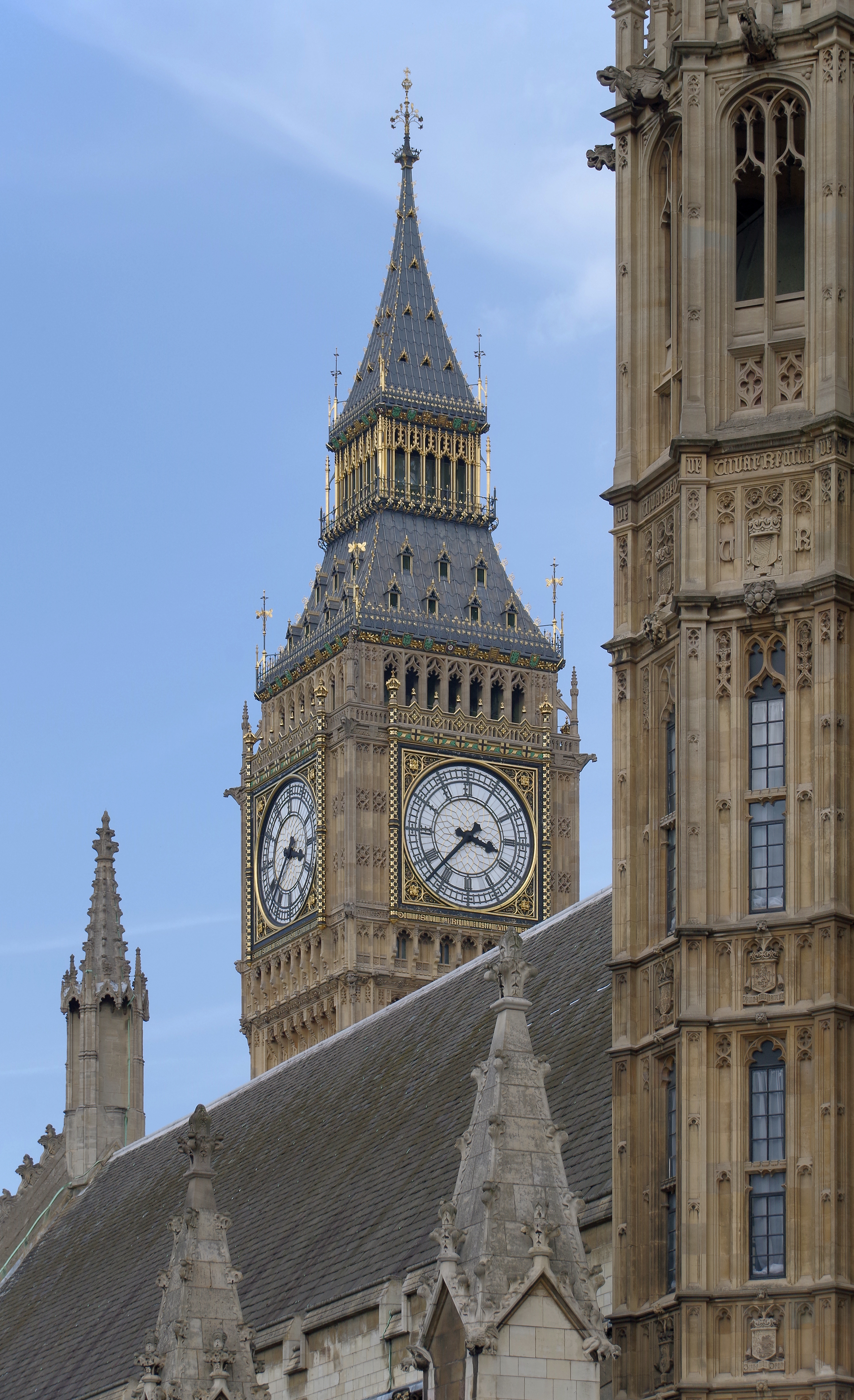
The decisions and turning points behind modern Britain, alongside the moments people still discuss.
Take a look →Who does what, why Westminster matters, and how the four nations fit together.
Take a look →The NHS, the BBC and TV Licence, railway gateways and everyday institutions.
Take a look →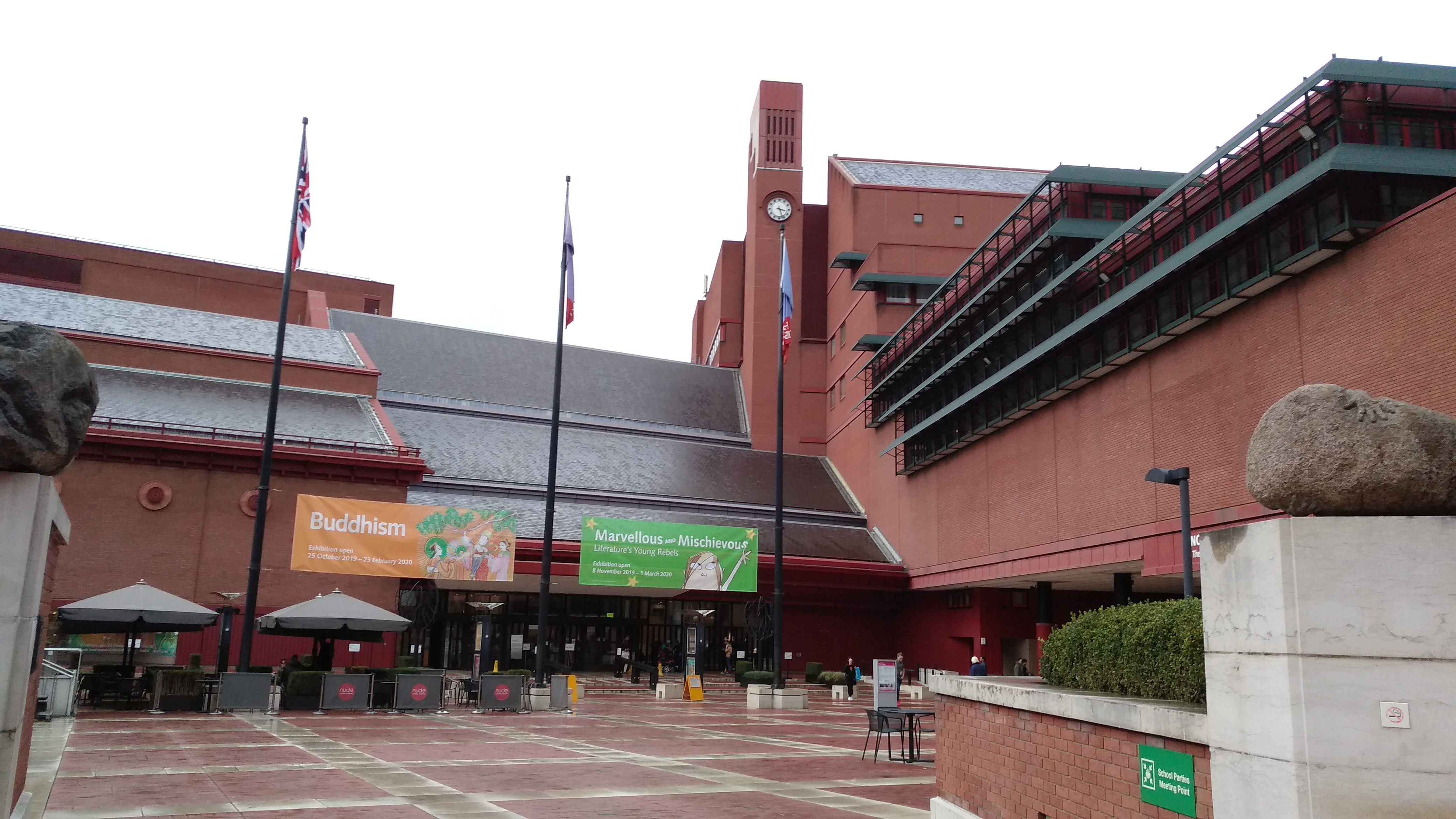
Find a reading room, a favourite painting and a different way into the city.
Take a look →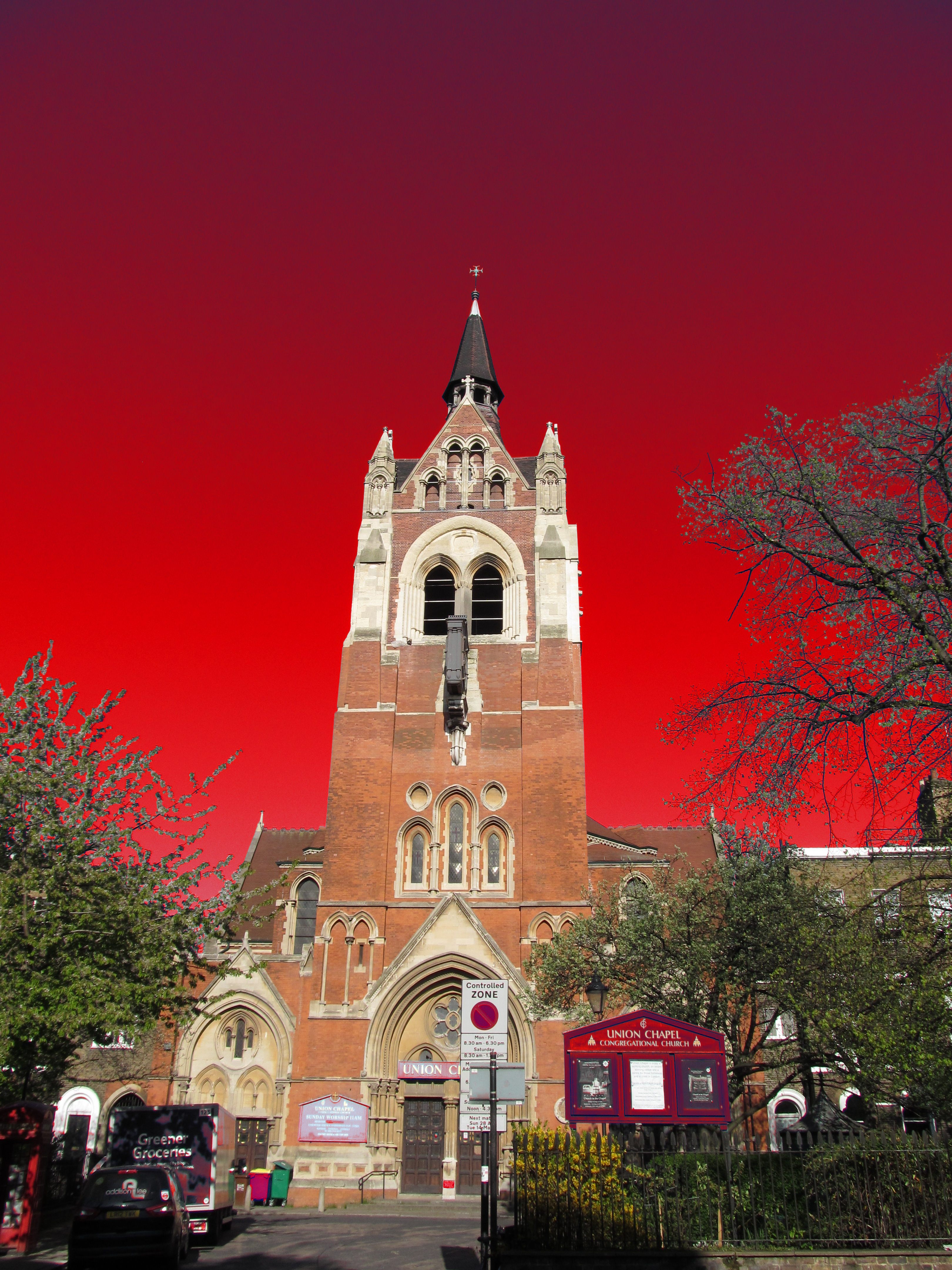
Jazz clubs, folk rooms, independent gigs and four extraordinary venues.
Take a look →Follow the seasons, tell rugby union from league, pick a match and find something to join.
Take a look →Public schools, Oxbridge and social signals. Understand the references without stereotyping the person.
Take a look →Brekkie, a fry-up, Sunday lunch and supper. Decode the invitation and get to know the table.
Take a look →“Rule, Britannia!”, independence and the history behind everyday Britain.
Take a look →The history beneath neighbourhoods, streets and the skyline.
Take a look →Hockey, baseball, skating, lacrosse and curling: find your way in.
Take a look →Get the joke, recognise the reference and find your own favourites.
Join the conversation →The communities that shaped Britain and the journeys connecting it with Canada.
Follow the stories →The people and histories behind London’s military ceremonies.
Explore the briefing →Names, languages and the institutions that differ across the UK.
Explore the briefing →The BBC, newspapers, radio and the programmes people talk about.
Explore the briefing →A shared monarch, constitutional history, wartime connections and Canada House. Familiar links, with important differences. Explore the Canadian thread →
England, Scotland, Wales and Northern Ireland have different histories and identities. Even the next neighbourhood can have its own character.
Music, food, literature, public services and everyday language tell stories of people arriving, settling and changing Britain.
Bonfire Night, Remembrance and local festivals help explain what suddenly fills the shops, streets and conversations. Ask what an occasion means to the person you’re with.
Britain’s Mothering Sunday falls on the fourth Sunday of Lent. It follows the church calendar, so it is not the Canadian Mother’s Day date in May. The familiar shop displays arrive on a different schedule too.
Source: Church of England
The poppy and the 11 November silence will be familiar to Canadians. Britain also marks Remembrance Sunday, the second Sunday in November, with the national service at the Cenotaph. Both dates matter; one does not replace the other.
Source: Royal British Legion
The parade marks the sovereign’s official birthday. That is why the occasion need not coincide with the monarch’s actual date of birth. It combines military ceremony with the public royal calendar.
Source: The Royal Family
Bonfire Night recalls the failure of the Gunpowder Plot in 1605, an attempt by Catholic conspirators to blow up Parliament and kill James I. Guy Fawkes became its best-known name, but he was one of a group led by Robert Catesby. The familiar fireworks sit on top of a history of religious conflict.
Lewes, near Brighton, has a particularly distinctive bonfire tradition. Alongside the Gunpowder Plot, it commemorates 17 Protestant martyrs burned in the town during Mary I’s reign between 1555 and 1557. The processions, burning crosses and effigies draw on that local history as well as later political satire.
The papal effigy associated with Cliffe Bonfire Society represents Pope Paul V, the pope at the time of the Gunpowder Plot, rather than simply the current pope. The practice has anti-Catholic historical roots and remains controversial. Explaining the tradition means recognising that history, rather than presenting it as an uncomplicated local joke or a custom shared by everyone in Britain.
Sources: UK Parliament: the Gunpowder Plot; RTÉ: effigies and old traditions; The Spectator archive: Cliffe’s papal effigy. For present-day arrangements, check Visit Lewes; this is historical context, not an event recommendation.
Burns Night celebrates the Scottish poet Robert Burns on his birthday. VisitScotland traces the first supper to friends gathering in 1801 to mark the anniversary of his death. The later birthday tradition brings poetry, food, speeches and music together.
It is a Scottish tradition with an international life, including in Canada. Expect variation between a formal Burns supper and a casual pub celebration.
Source: VisitScotland
Shrove Tuesday falls immediately before Ash Wednesday. Pancakes became associated with using ingredients such as eggs and fat before the Lenten fast. The date moves with Easter, so it is not a fixed February appointment.
The food custom remains familiar even among people who do not observe Lent. Local pancake races add another layer, but colourful origin legends should not be treated as established fact.
Source: English Heritage
British pantomime developed through several theatrical traditions and became closely associated with Christmas and Boxing Day openings. It mixes stories, songs, visual comedy and audience participation. It is not a silent mime performance.
The shouted replies are part of the convention. Follow the room rather than worrying about interrupting; joining in is often exactly what the performers want.
Source: V&A
The V&A traces Christmas crackers to confectioner Tom Smith and paper-wrapped sweets inspired by French bonbons. They developed into the familiar novelty pulled at the table.
Paper hats and deliberately poor jokes are part of the pleasure. This is a useful example of a tradition that was made and marketed, rather than handed down unchanged from ancient times.
Source: V&A
Sir John Lubbock introduced the legislation that became the Bank Holidays Act 1871. The phrase outgrew the banking context and now signals dates around which many people plan travel and gatherings.
The calendars differ across England and Wales, Scotland and Northern Ireland. Check the relevant nation and the current year rather than assuming the same Monday applies everywhere.
Source: Parliament: the 1871 bill
The Canadian thread now has its own page: constitutional history, remembrance, people who shaped Britain and places to explore in London.
Explore Canada & Britain →The UK moves to British Summer Time on the last Sunday in March and returns to Greenwich Mean Time on the last Sunday in October. Canadian places that follow the North American seasonal pattern change on the second Sunday in March and the first Sunday in November.
That briefly changes the time difference. London is normally five hours ahead of Toronto, but only four hours ahead between their spring changes and again between their autumn changes. Use named cities in calendar invitations rather than assuming a fixed offset.
Canada has exceptions: most of Saskatchewan and Yukon already keep the same clock setting year-round. Most of B.C. is adopting year-round UTC-7 in 2026, while some eastern communities retain different arrangements. Check the destination’s current rules before scheduling a call.
On 26 December, many households continue the Christmas gathering with leftovers, visiting family, a winter walk or watching football. The sales are part of the picture too, as they are in Canada, but shopping is only one way people spend the day.
“What are you doing for Boxing Day?” may be an invitation to a relaxed second celebration. Ask what to bring, and check transport before making plans. See our food and traditions guide and sporting calendar.
A gig, a shared meal or watching a match with other people gives these stories somewhere to land. Meet fellow Canadians, swap discoveries and build your own connections through CIL’s gatherings.
Find a CIL event →Union Chapel photograph: David Holt London, CC BY-SA 3.0.
A special evening in London
Luxury hotels, remarkable restaurants, skyline bars and members’ clubs. Find the setting, the story and how to book.
Explore London at its finest →An afternoon worth sharing
Royal parks and Canadian connections, docks and skylines, or markets and migration. Pick a starting station and make an afternoon of it.
Find your route →


